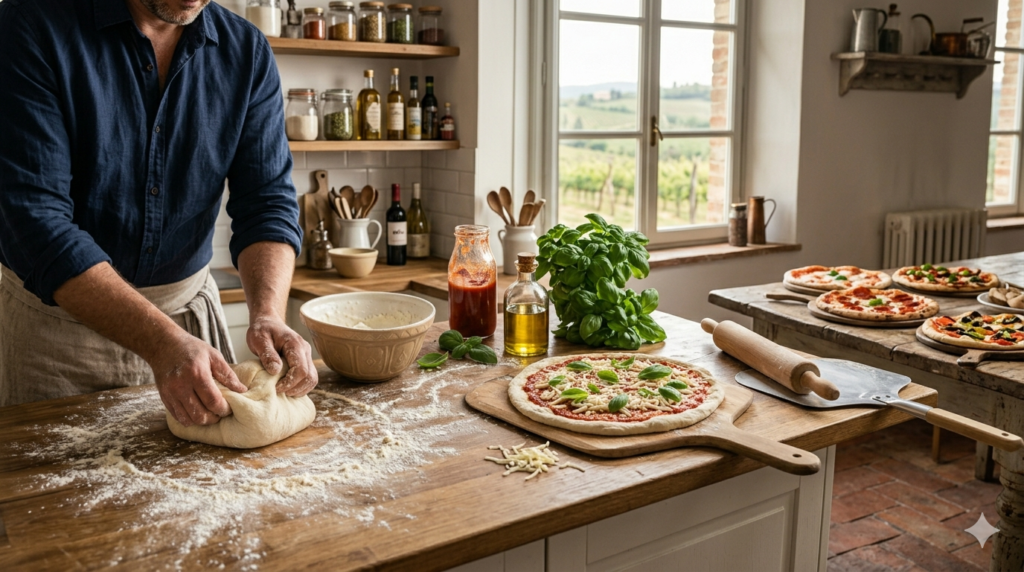
Pizza is one of the most loved foods around the world, but not everyone has access to an oven. The good news is that you can still make a delicious pizza right at home using simple tools like a pan or tawa. This method is easy, quick, and perfect for beginners.
In a bowl, mix flour, sugar, salt, and baking powder. Add oil and mix well. Slowly add warm water and knead into a soft dough. Cover it and let it rest for 20–30 minutes.
Step 2: Shape the Base
After resting, divide the dough into small portions. Roll one portion into a round pizza base using a rolling pin. Make sure it’s not too thick or too thin.
Step 3: Cook the Base
Heat a pan or tawa on low flame. Place the rolled dough on it and cook one side slightly until small bubbles appear. Flip it.
Step 4: Add Toppings
Now spread pizza sauce on the cooked side. Add cheese and your favorite vegetables. Sprinkle oregano and chili flakes for extra flavor.
Step 5: Cook Without Oven
Cover the pan with a lid and cook on very low flame for 8–10 minutes. This helps the cheese melt and the base cook properly. You can also place a stand inside a large pot (kadhai), preheat it, and cook the pizza inside for a more “oven-like” result.
Step 6: Serve Hot
Once the cheese melts and the base becomes crispy, remove the pizza from the pan. Cut into slices and serve hot.
Tips for Best Results
Always cook on low flame to avoid burning the base.
Use a thick-bottomed pan for even cooking.
Add cheese generously for better taste.
You can also use ready-made pizza base to save time.
Conclusion
Making pizza without an oven is simple and fun. With just a pan and basic ingredients, you can enjoy a homemade pizza that tastes just as good as bakery-style ones. Try experimenting with different toppings and sauces to create your own unique flavors.
Pasta is one of the most beloved dishes across the world, known for its simplicity, versatility, and comforting taste. Whether you are preparing a quick weekday meal or crafting a gourmet experience, learning how to make pasta properly can elevate your cooking skills significantly. This guide walks you through everything—from making fresh pasta dough to cooking and pairing it with the perfect sauce.
Understanding Pasta: The Basics
Before jumping into cooking, it helps to understand what pasta actually is. At its core, pasta is made from a combination of flour and liquid (usually eggs or water). The dough is then shaped into various forms and cooked in boiling water.
There are two main types of pasta:
Fresh pasta – Soft, tender, and made at home or in small batches
Dried pasta – Store-bought and longer shelf life
Both types have their place in the kitchen, and mastering both will make you a more versatile cook.
Ingredients You’ll Need
For Fresh Pasta Dough:
2 cups all-purpose flour (or “00” flour for smoother texture)
3 large eggs
A pinch of salt
1 tablespoon olive oil (optional)
For Cooking Pasta:
Water
Salt
For Basic Sauce (Example: Tomato Sauce):
2 tablespoons olive oil
3 cloves garlic (chopped)
4 ripe tomatoes or 1 cup canned tomatoes
Salt and pepper to taste
Fresh basil (optional)
Step 1: Making Fresh Pasta Dough
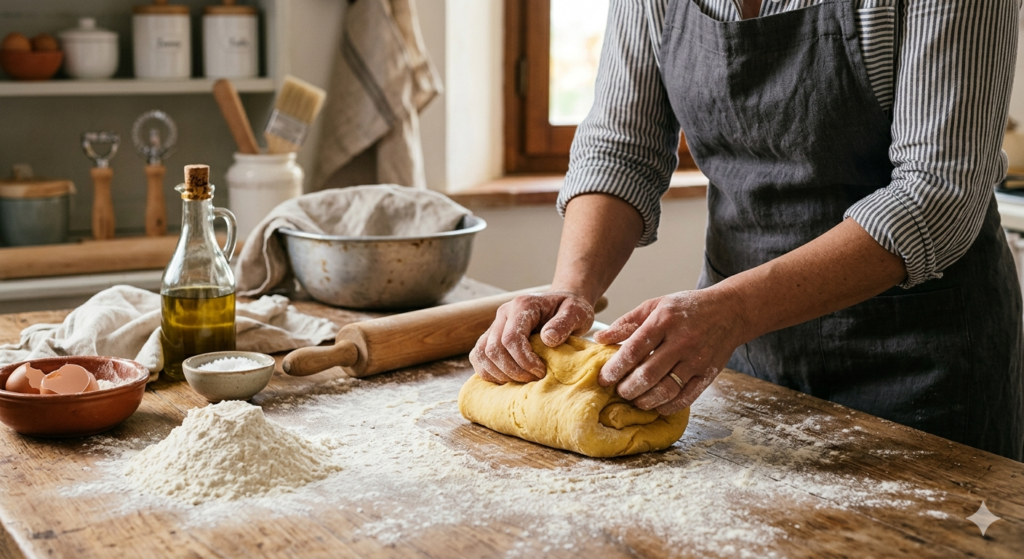
Start by placing the flour on a clean surface and forming a mound. Create a well in the center and crack the eggs into it. Add a pinch of salt.
Using a fork, gently beat the eggs and gradually incorporate the flour from the edges. Once it starts to come together, use your hands to knead the dough.
Kneading the Dough:
Knead for about 8–10 minutes
The dough should become smooth and elastic
If it feels sticky, add a little flour
If it feels dry, add a few drops of water
Wrap the dough in plastic or cover it with a bowl and let it rest for at least 30 minutes. This helps relax the gluten and makes rolling easier.
Step 2: Rolling and Shaping the Pasta
After resting, divide the dough into smaller portions. Roll each portion using a rolling pin or pasta machine until thin.
Common Shapes:
Fettuccine – Flat ribbons
Spaghetti – Thin strands
Lasagna sheets – Wide flat layers
Penne – Tube-shaped (usually made from dried pasta)
Dust lightly with flour to prevent sticking.
Step 3: Cooking the Pasta
Bring a large pot of water to a rolling boil. Add a generous amount of salt—the water should taste slightly salty like the sea.
Add the pasta and cook:
Fresh pasta: 2–4 minutes
Dried pasta: 8–12 minutes (depending on type)
Stir occasionally to prevent sticking.
Tip:
Cook pasta until al dente, which means it should be tender but still slightly firm when bitten.
Reserve a cup of pasta water before draining—it’s useful for sauces.
Step 4: Preparing the Sauce
While the pasta cooks, prepare your sauce.
Simple Tomato Sauce:
Heat olive oil in a pan
Add garlic and sauté until fragrant
Add tomatoes and cook for 10–15 minutes
Season with salt and pepper
Add basil for freshness
You can also explore other sauces:
Cream-based (Alfredo)
Pesto (basil, nuts, cheese)
Butter and garlic
Cheese-based sauces
Step 5: Combining Pasta and Sauce
Add the cooked pasta directly into the sauce pan. Toss well so every strand or piece is coated.
Add a splash of reserved pasta water to help the sauce cling better.
Cook together for 1–2 minutes for better flavor absorption.
Step 6: Serving the Pasta
Serve hot and garnish with:
Grated cheese (like Parmesan)
Fresh herbs
A drizzle of olive oil
Pair with garlic bread or a simple salad for a complete meal.
Tips for Perfect Pasta
Always salt your water—it enhances flavor
Don’t overcook pasta; texture matters
Use fresh ingredients for better taste
Match pasta shapes with suitable sauces (thicker sauces for larger shapes)
Avoid rinsing pasta after cooking unless making cold dishes
Common Mistakes to Avoid
Using too little water (causes sticking)
Adding oil to boiling water (not necessary)
Overloading the pot
Not tasting the pasta while cooking
Conclusion
Making pasta is both an art and a skill that improves with practice. From kneading dough to choosing the right sauce, each step contributes to the final dish. Once you master the basics, you can experiment with flavors, shapes, and techniques to create your own signature pasta recipes.
Cooking pasta at home not only ensures freshness but also gives you full control over ingredients and taste. Whether simple or elaborate, a well-made pasta dish is always satisfying.
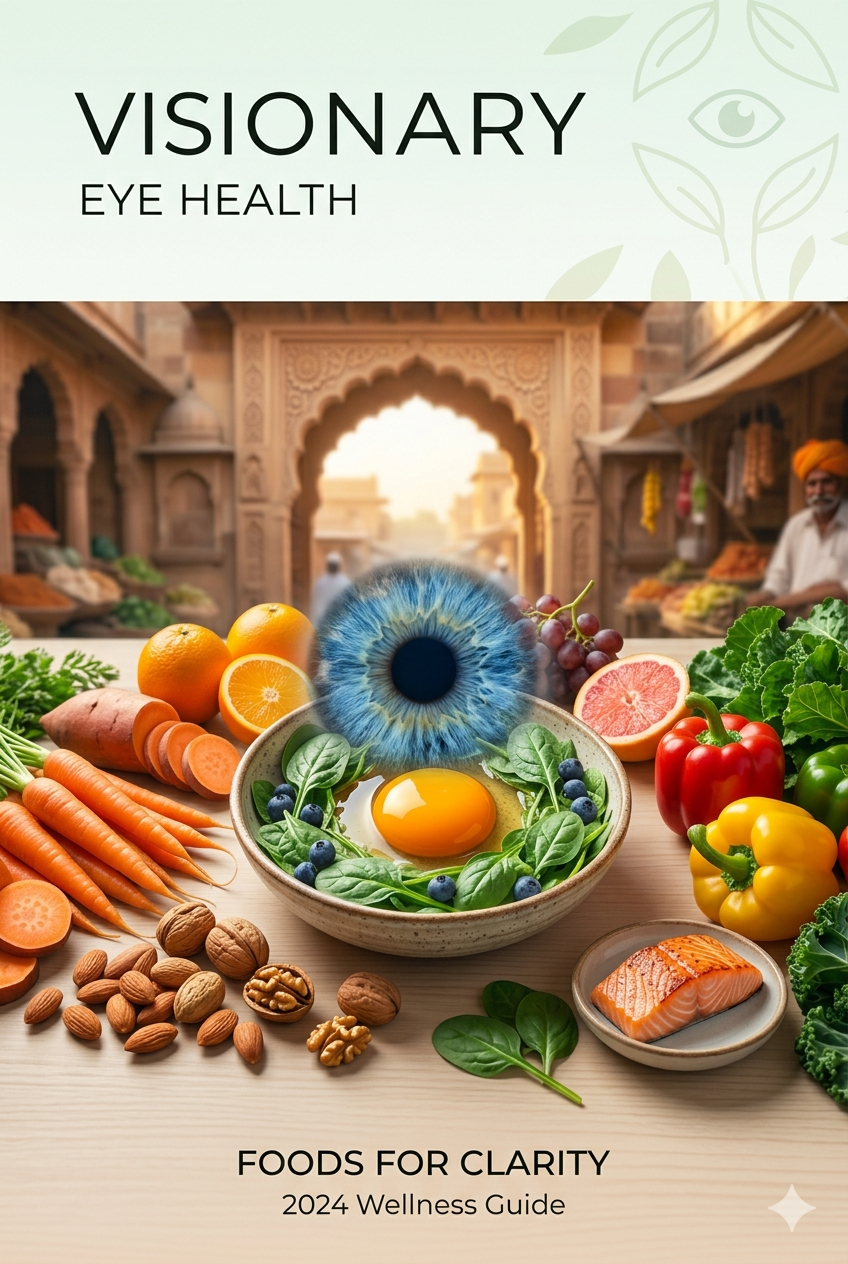
Healthy eyesight isn’t just about genetics or screen habits—it’s strongly influenced by what you eat. The eyes, like any other part of the body, rely on proper nutrition to function well and resist damage over time. A balanced diet rich in specific vitamins, minerals, and antioxidants can help maintain clear vision and reduce the risk of age-related eye problems.
Key Nutrients for Eye Health
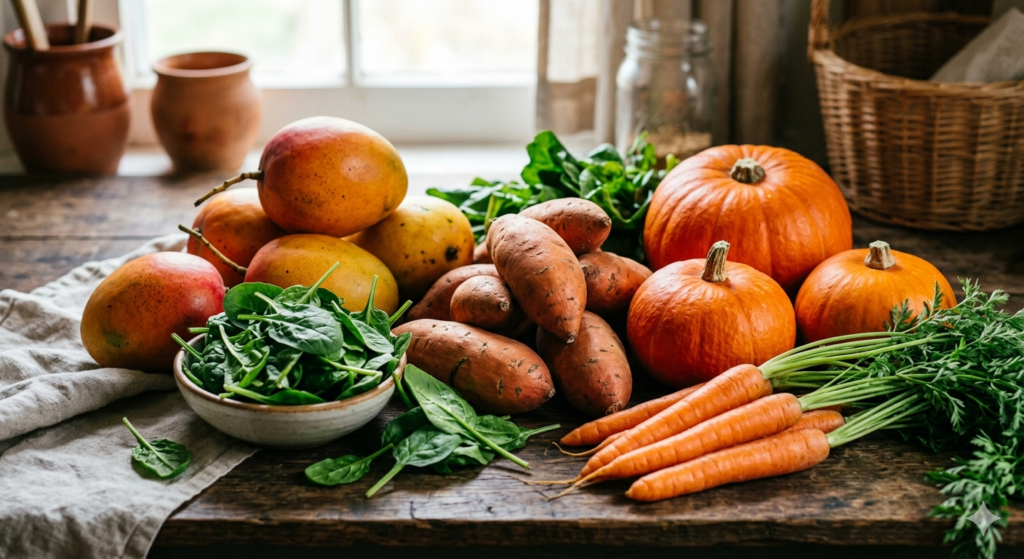
1. Vitamin A Vitamin A plays a crucial role in maintaining good vision, especially in low-light conditions. It supports the retina and helps prevent dryness. A deficiency can lead to night blindness and other issues.
Foods to include: Carrots, sweet potatoes, pumpkin, spinach, and mangoes.
2. Lutein and Zeaxanthin These are powerful antioxidants that help protect the eyes from harmful blue light and oxidative stress. They are linked to a lower risk of cataracts and macular degeneration.
Foods to include: Kale, spinach, broccoli, peas, and corn.
3. Vitamin C Vitamin C helps protect the eyes against damage caused by free radicals and supports healthy blood vessels in the eyes.
Foods to include: Oranges, lemons, strawberries, guava, and bell peppers.
4. Vitamin E This vitamin helps prevent oxidative damage that can lead to eye disorders.
Foods to include: Almonds, sunflower seeds, peanuts, and vegetable oils.
5. Omega-3 Fatty Acids These healthy fats are essential for proper visual development and retinal function. They may also help reduce dry eye symptoms.
Foods to include: Flaxseeds, walnuts, chia seeds, and fatty fish like salmon and sardines.
6. Zinc Zinc helps transport Vitamin A from the liver to the retina and supports immune function in the eyes.
Foods to include: Whole grains, lentils, chickpeas, nuts, and seeds.
Hydration Matters
Drinking enough water is often overlooked but is essential for preventing dry eyes and maintaining overall eye comfort. Aim for at least 7–8 glasses of water daily, more if you live in hot climates.
Foods to Limit
Just as important as what you eat is what you avoid:
Excess sugar (linked to diabetes-related eye issues)
Processed foods
Trans fats
Excessive alcohol
Simple Daily Meal Idea
Breakfast: Oatmeal with almonds and fruit
Lunch: Spinach dal with whole wheat roti
Snack: Carrot sticks or fruit
Dinner: Mixed vegetable curry with lentils and brown rice
Final Thoughts
Healthy eyesight is supported by consistent, balanced eating habits—not quick fixes. Including a variety of colorful fruits, vegetables, healthy fats, and whole foods in your diet can go a long way in protecting your vision for years to come. Combine this with regular eye check-ups, proper sleep, and limited screen strain for the best results.
Casinia wyrobiła sobie niszę wśród graczy, którzy pragną adrenaliny‑pełnych wybuchów gry bez długiego siedzenia przy stole.
Krótke sesje stają się rytuałem—jedno 15-minutowe obrócenie slotu tutaj, szybka wygrana przy stole tam—każdy moment dostarcza natychmiastowej informacji zwrotnej i wymiernej nagrody.
Projekt platformy sprzyja temu tempu: przejrzysta nawigacja, przyciski natychmiastowego obrotu i układ, który skupia wzrok na bębnach.
Po zalogowaniu witają Cię ekran powitalny z motywem średniowiecznym, który uruchamia się w kilka sekund.
Kluczową zaletą jest ogromna różnorodność ponad dziewięciu tysięcy tytułów dostępnych natychmiastowo.
Od klasycznych bębnów po nowoczesne video sloty z wysoką zmiennością—każda gra oferuje szansę na szybki zryw.
Gracze uwielbiają, jak jedno obrócenie może zamienić się w wygraną wartą setki w ciągu kilku minut.
Casinia’s interfejs pozwala na szybkie przełączanie się z jednej gry na drugą w ułamku sekundy.
Ta kombinacja czyni ją idealnym miejscem dla tych, którzy chcą szybko zobaczyć rezultaty.
Wybór slotów stworzonych do szybkiego grania
Szybkość ma znaczenie, gdy dążysz do szybkich wygranych.
Biblioteka kasyna zawiera imponującą gamę tytułów od najlepszych dostawców, takich jak Yggdrasil, Pragmatic Play i NetEnt.
Te gry są zaprojektowane z myślą o szybkim czasie obrotu—często poniżej trzech sekund od kliknięcia do wyniku.
Gracz może przełączać się między slotami bez żadnego oczekiwania.
Popularne tytuły, takie jak „Fruit Frenzy” czy „Mystic Mayhem”, oferują natychmiastowe wypłaty i proste struktury wygranych.
Sloty z wysoką liczbą linii wypłat są również dostępne dla tych, którzy chcą zaryzykować więcej w nadziei na większą wygraną.
Funkcja szybkiego obrotu pozwala na grę w wiele rund z rzędu podczas krótkiej sesji.
Dzięki opcji „auto‑play”, która uruchamia setki obrotów w kilka sekund, możesz utrzymać tempo gry.
Dlatego Casinia przyciąga graczy, którzy chcą natychmiastowej satysfakcji bez długiego siedzenia przy stole.
Bonusy zaprojektowane do szybkiego efektu
Cashbacki i darmowe spiny są dostosowane do szybkich wybuchów akcji.
Darmowe spiny są zwykle przyznawane natychmiast po depozycie lub jako część bonusowego koła.
Bonusy reload tygodniowe nagradzają graczy po zaledwie jednym dniu aktywności.
Te oferty utrzymują adrenalinę na wysokim poziomie nawet po zakończeniu jednej sesji.
Pakiet powitalny często zawiera określoną liczbę darmowych spinów, które aktywują się od razu.
Gracze mogą od razu je obrócić i potencjalnie osiągnąć zwycięskie serie podczas tej samej sesji.
Brak długiego oczekiwania na aktywację bonusu sprawia, że emocje utrzymują się przez cały czas gry.
A ponieważ warunki obrotu w Casinia są proste, możesz skupić się na grze, a nie na liczeniu wymagań.
Mobilna elastyczność bez aplikacji
Strona Casinia zoptymalizowana pod kątem urządzeń mobilnych zapewnia taką samą szybkość nawet na telefonie.
Brak dedykowanej aplikacji oznacza, że możesz uruchomić grę bezpośrednio z przeglądarki podczas szybkiej przerwy na kawę lub w trakcie dojazdu.
Responsywny design ładuje się natychmiast na urządzeniach iOS i Android.
Przyciski są wystarczająco duże, by można je było kliknąć palcem—żadne zatłoczone menu nie spowalnia gry.
Podczas szybkich sesji strona odświeża się szybko między grami.
To doświadczenie mobilne idealnie pasuje do graczy, którzy wolą krótkie wizyty w ciągu dnia.
Natychmiastowe decyzje na slotach
W krótkich sesjach jesteś przyzwyczajony do szybkiego podejmowania decyzji—wielkości stawki, linii wypłat, kierunku obrotu—all w ciągu sekund.
Interfejs Casinia wyświetla wszystkie kluczowe opcje na pierwszy rzut oka.
Możesz dostosować stawkę jednym kliknięciem suwaka lub wybrać pre‑setowe poziomy od razu.
Tablica wypłat pojawia się jednym tapnięciem—bez konieczności przewijania.
Ta konfiguracja pozwala testować różne strategie bez zatrzymywania gry.
Gdy osiągniesz serię wygranych, możesz od razu zdecydować, czy zabezpieczyć zyski, czy zaryzykować kolejne obroty—all in one breathless moment.
Efektem jest rytm gry, który wydaje się naturalny dla szybkiej, intensywnej rozgrywki.
Zarządzanie ryzykiem poprzez małe stawki
Szybcy gracze często polegają na mniejszych stawkach, aby utrzymać sesję żywą bez szybkiego wyczerpania środków.
Typowa stawka może wynosić od €1–€5 na popularnych slotach.
Jeśli dążysz do tytułów o wyższej zmienności, możesz podnieść do €10, zachowując szybki czas gry.
Takie podejście pozwala na dalszą grę niezależnie od wyników, zachowując kontrolę nad funduszami.
Możesz przerwać lub zakończyć po kilku obrotach, minimalizując ryzyko.
Jeśli trafisz na nieoczekiwany streak przegranych, po prostu odejdź po dziesięciu obrotach—bez długoterminowego zobowiązania.
Szybkie opcje doładowań
Natychmiastowe wpłaty oznaczają więcej czasu na obroty.
Casinia obsługuje szybkie metody doładowania, takie jak instant e
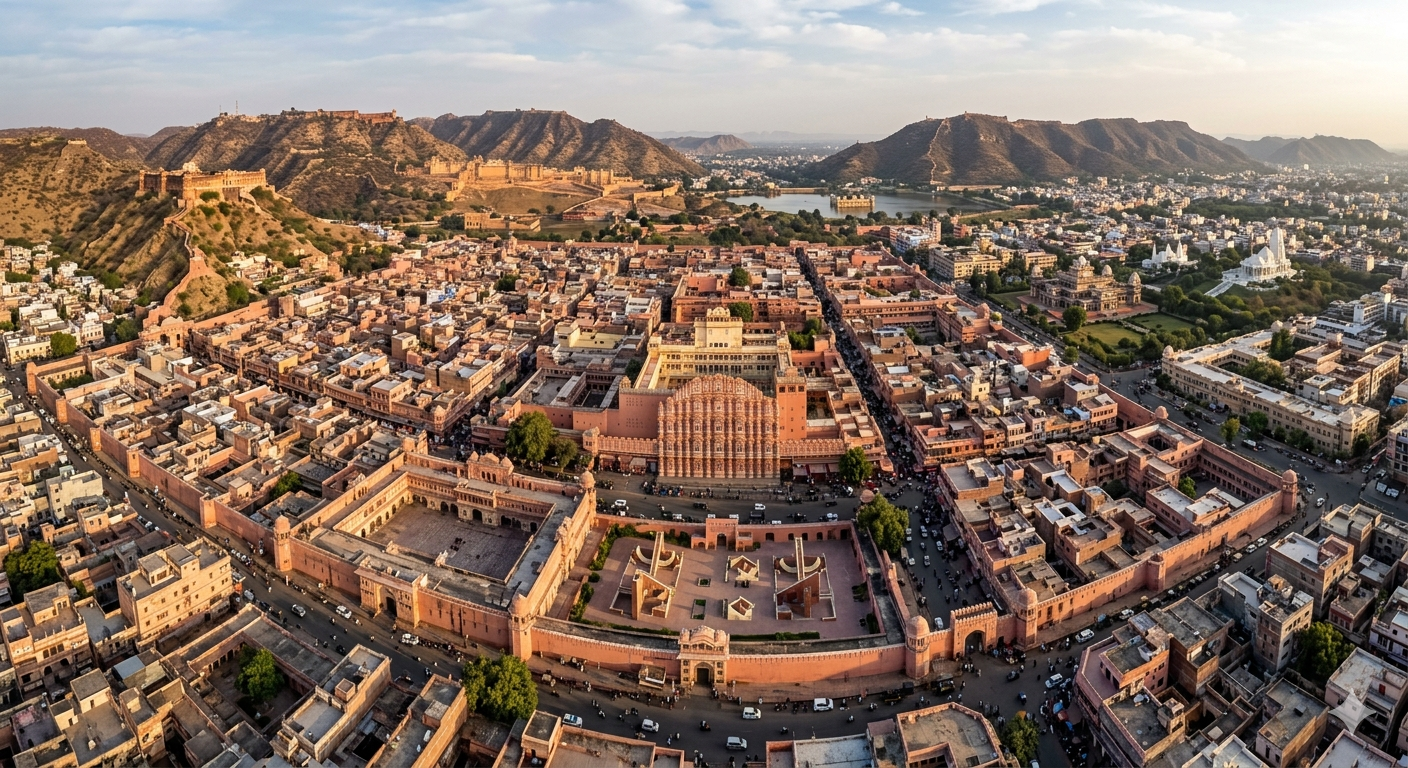
Jaipur, the Pink City of India, has always held a special place in my heart. Every time I think about Rajasthan, Jaipur is the first destination that comes to my mind. There’s something incredibly magical about this city—its royal history, vibrant culture, grand architecture, and lively markets create an unforgettable experience.
When I visited Jaipur, I didn’t just explore a city—I felt like I stepped into a different era. In this blog, I’m sharing my personal experience of the top 10 places to visit in Jaipur, places that truly made my trip memorable.
1. Amber Fort – A Royal Beginning
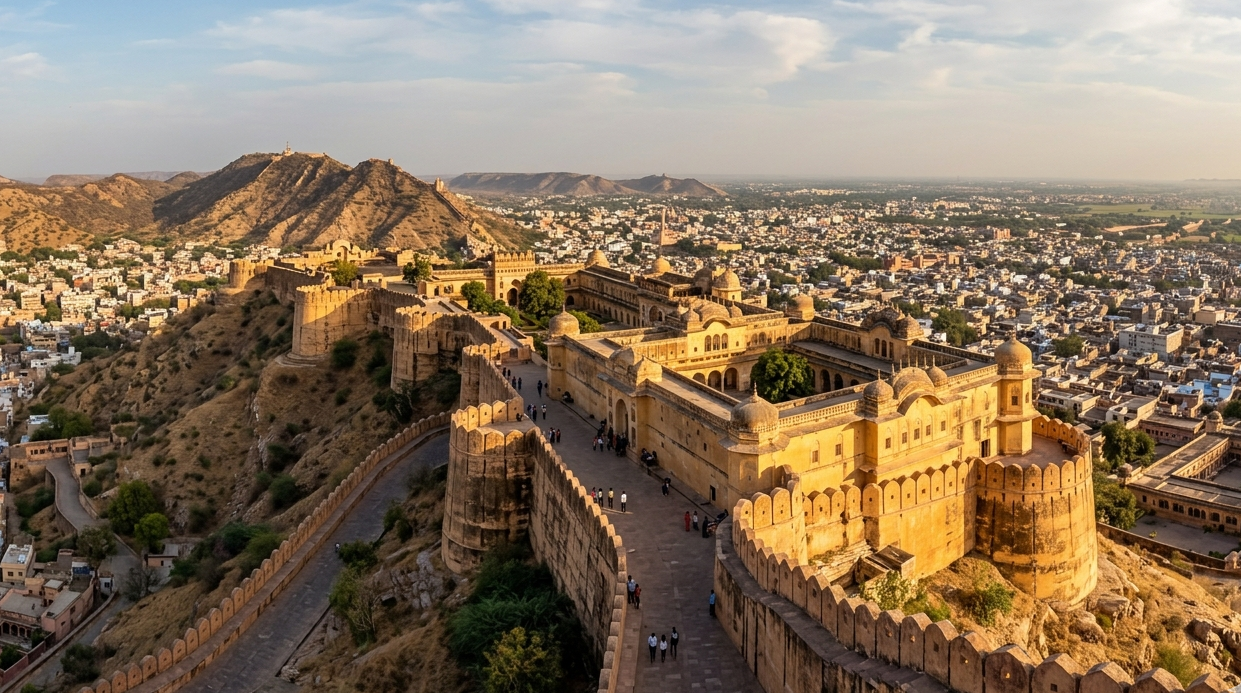
The first place I visited was Amber Fort, and honestly, it set the tone for my entire trip. Located on a hill just outside Jaipur, this fort looks straight out of a historical film.
As I walked through its grand gates, I could feel the richness of Rajput history. The highlight for me was the Sheesh Mahal (Mirror Palace). The intricate mirror work sparkled beautifully, even with minimal light.
From the top, I looked down at Maota Lake, and the view was simply breathtaking. If you ever visit Jaipur, missing Amber Fort would mean missing its royal essence.
2. Hawa Mahal – The Icon of Jaipur
I had seen Hawa Mahal in countless pictures before, but seeing it in real life was a completely different experience. Standing in front of it, I was genuinely amazed.
Its honeycomb structure with hundreds of small windows (jharokhas) is not just beautiful but also functional—it allowed royal women to observe street life without being seen.
I went inside and climbed up to enjoy a panoramic view of the city. The early morning light hitting the pink sandstone made it look absolutely dreamy.
3. City Palace Jaipur – Living the Royal Life
Visiting City Palace felt like stepping into a royal residence—and in many ways, it still is. A part of it is still home to the royal family.
As I explored the museum sections, I saw royal costumes, ancient weapons, and artistic treasures that told stories of Jaipur’s past. Everything was so well preserved that history felt alive.
One of my favorite spots was the beautifully decorated gates at Pritam Niwas Chowk—perfect for photos and unforgettable memories.
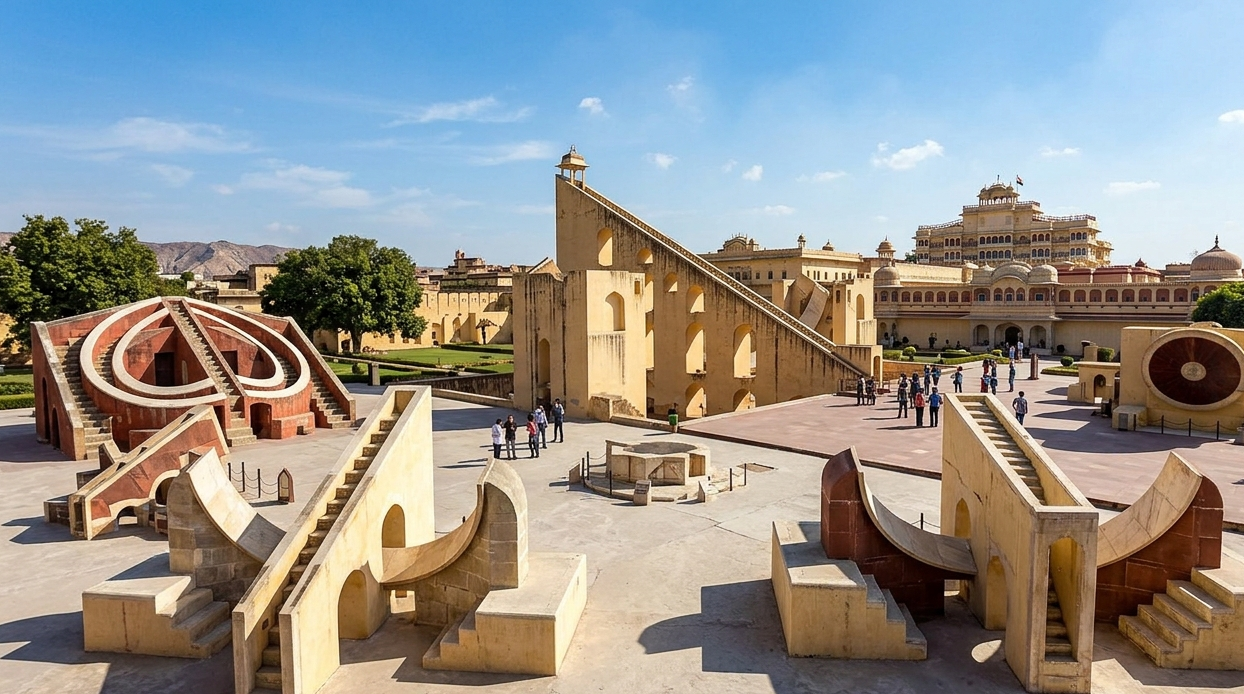
4. Jantar Mantar Jaipur – Where Science Meets History
I’ll be honest—I wasn’t expecting to enjoy Jantar Mantar as much as I did. But it completely surprised me.
This UNESCO World Heritage Site is an astronomical observatory, and it showcases how advanced ancient Indian science was. I took a guided tour, which made all the difference.
Seeing the world’s largest stone sundial and understanding how time and planetary positions were calculated fascinated me. It’s a must-visit if you’re even slightly curious about science or history.
5. Nahargarh Fort – The Best Sunset Spot
Nahargarh Fort quickly became one of my favorite places in Jaipur. I visited it in the evening, and the timing couldn’t have been better.
As the sun began to set, the entire city was bathed in golden light. I sat there for a while, just taking in the view—it was peaceful, calming, and incredibly beautiful.
If you’re someone who enjoys sunsets and scenic views, this is the place to be.
6. Jaigarh Fort – A Symbol of Strength
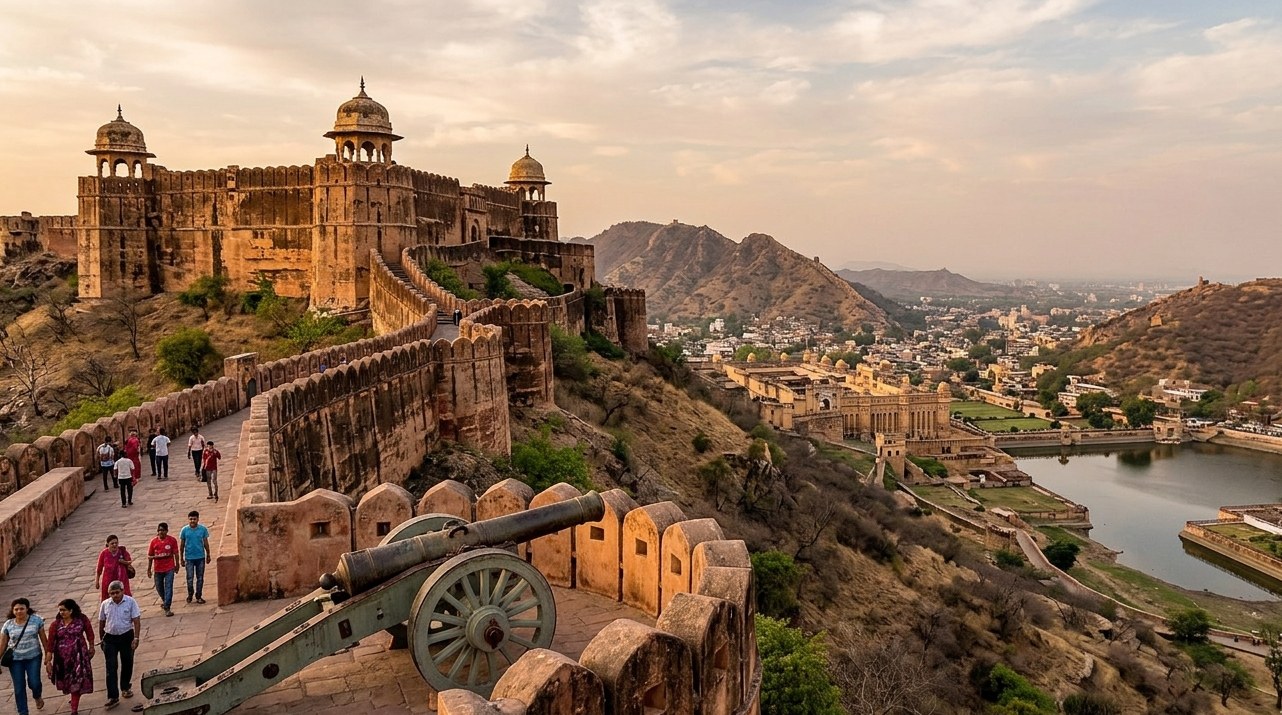
Jaigarh Fort felt quieter and less crowded, which I personally loved. It stands above Amber Fort and has a strong, rugged character.
One of the main attractions here is the Jaivana Cannon, known as one of the largest cannons on wheels in the world. Standing next to it made me realize the scale of military power in those times.
It’s a great place for those who want to explore history without the crowds.
7. Jal Mahal – A Palace in the Water
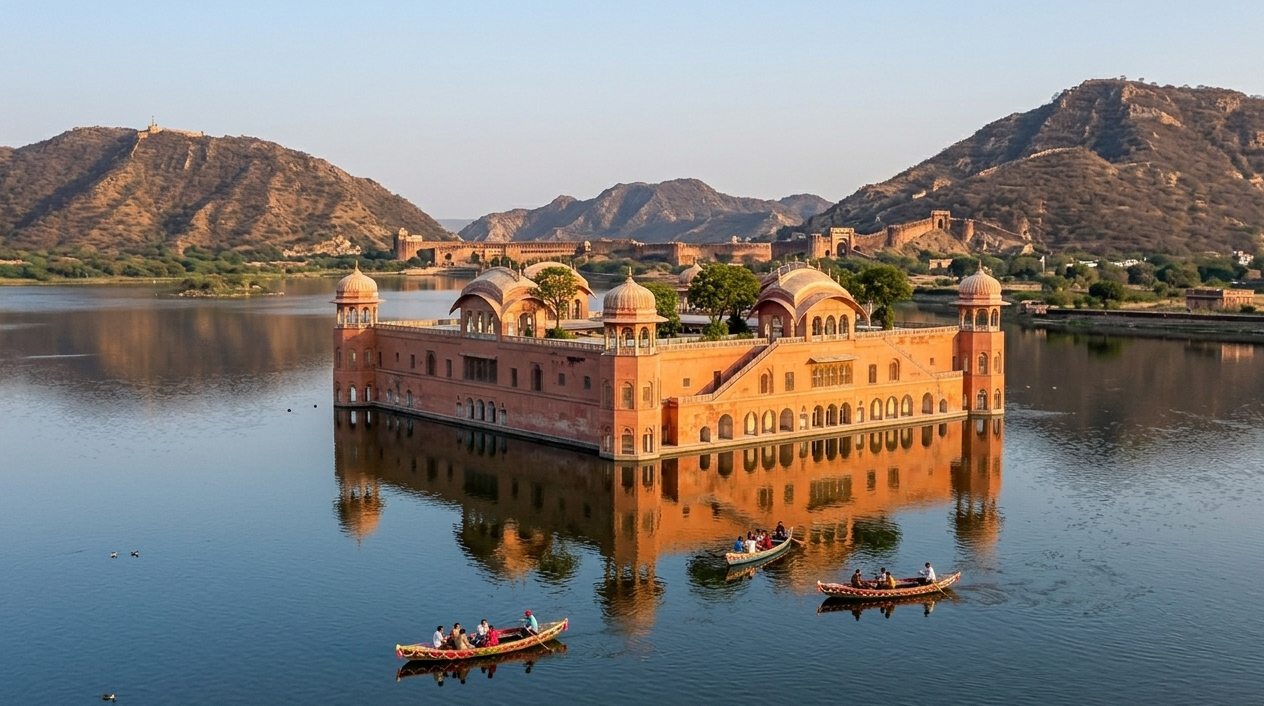
Jal Mahal is one of the most unique sights I saw in Jaipur. Located in the middle of Man Sagar Lake, it looks incredibly serene and almost surreal.
Although entry inside is restricted, I spent some time by the roadside just admiring its beauty. The reflection of the palace in the water during the evening created a picture-perfect moment.
It’s a must-stop spot, especially for photography lovers.
8. Albert Hall Museum – A Cultural Treasure
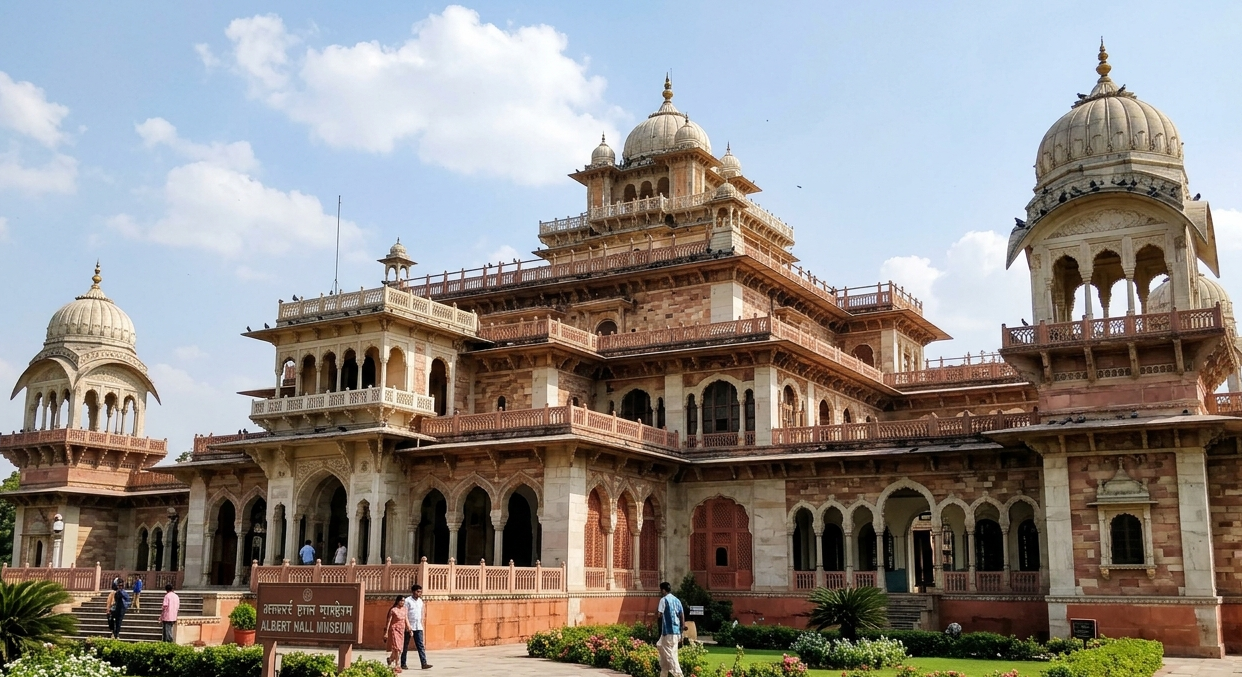
Albert Hall Museum is the oldest museum in Jaipur, and I was really excited to visit it.
Inside, I explored a wide collection of artifacts—from ancient sculptures to even an Egyptian mummy. The diversity of exhibits made the visit both educational and interesting.
The building itself is stunning, especially when it lights up at night. It’s a great place to understand the cultural depth of Jaipur.
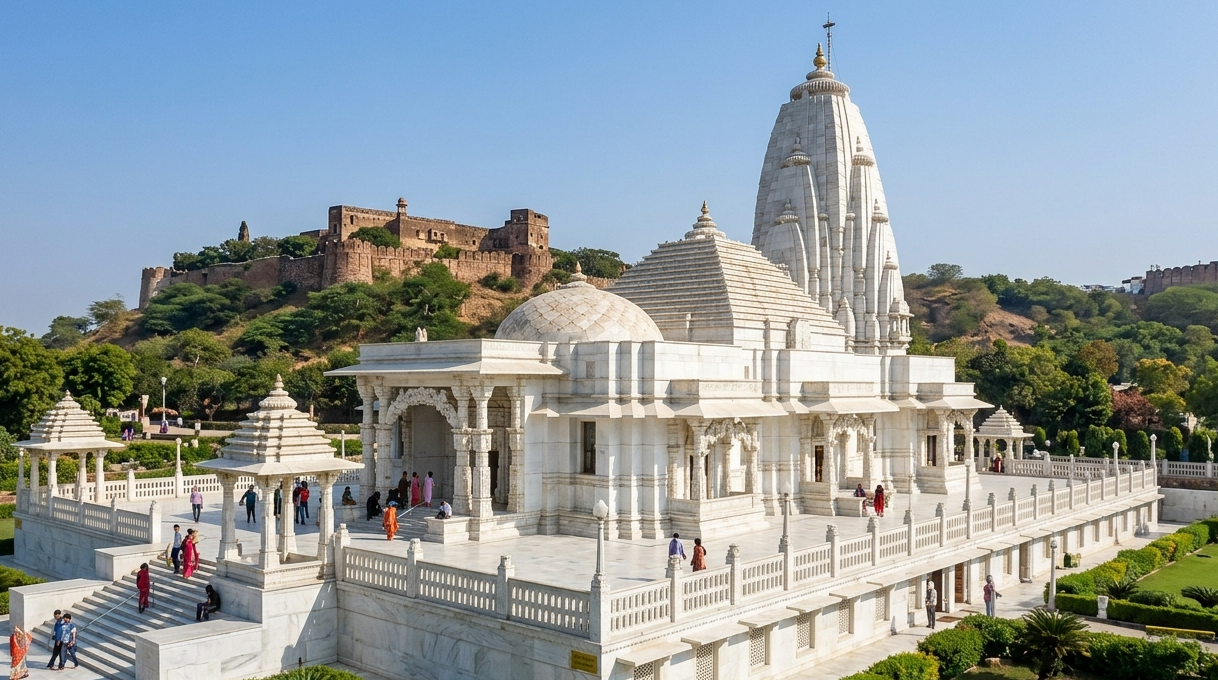
9. Birla Mandir Jaipur – Peace and Serenity
After all the exploring, I wanted a place to relax, and Birla Mandir was perfect for that.
Made entirely of white marble, the temple has a calm and soothing atmosphere. I spent some quiet time there, just sitting and absorbing the peaceful surroundings.
It’s the ideal place to take a break from the city’s hustle and reconnect with yourself.
10. Bapu Bazaar – A Shopper’s Paradise
No trip is complete without shopping, right? Bapu Bazaar was one of the most lively places I visited.
I explored stalls filled with traditional Rajasthani items—mojris, handicrafts, bandhani fabrics, and souvenirs. Bargaining added to the fun, and I ended up buying quite a few things.
If you want to take a piece of Jaipur back home with you, this is the place to visit.
My Final Thoughts
Jaipur is not just a destination—it’s an experience that stays with you long after you leave. Every place I visited had its own story, its own charm, and its own way of making me feel connected to the city.
What I loved most about Jaipur is how beautifully it blends tradition with modern life. One moment I was exploring ancient forts, and the next I was walking through vibrant markets full of life.
If you’re planning your first trip to Rajasthan, I would strongly recommend starting with Jaipur. It has everything—history, culture, beauty, and unforgettable experiences.
And from my personal journey, I can say this with confidence: Jaipur isn’t just a place you visit… it’s a place you feel.
Kashmir, often called “Paradise on Earth,” is one of the most breathtaking regions in India. Nestled in the lap of the Himalayas, it is known for its snow-capped peaks, lush valleys, serene lakes, and rich cultural heritage. Whether you are a nature lover, an adventure enthusiast, or someone seeking tranquility, Kashmir offers a diverse range of experiences. Here is a detailed guide to some of the most beautiful places to visit in Kashmir.
Srinagar – The Heart of Kashmir
The journey to Kashmir usually begins in Srinagar, the summer capital of the region. Known for its enchanting beauty, Srinagar is famous for its lakes, gardens, and traditional houseboats.
One of the most iconic attractions is Dal Lake, where visitors can enjoy a peaceful shikara (boat) ride while admiring floating gardens and vibrant markets. Staying in a houseboat here is a unique experience that reflects the region’s cultural charm.
Another must-visit spot is Mughal Gardens, including Shalimar Bagh, Nishat Bagh, and Chashme Shahi. These gardens, built during the Mughal era, showcase symmetrical layouts, flowing fountains, and stunning views of the surrounding mountains.
Gulmarg – The Meadow of Flowers
Located about 50 kilometers from Srinagar, Gulmarg is a paradise for adventure lovers. Known as the “Meadow of Flowers,” it transforms into a snowy wonderland during winter and a lush green meadow in summer.
Gulmarg is home to the famous Gulmarg Gondola, one of the highest cable cars in the world. It offers breathtaking views of the Himalayan ranges and is a major attraction for tourists.
In winter, Gulmarg becomes a hub for skiing and snowboarding, attracting enthusiasts from around the world. During summer, visitors can enjoy trekking, golfing, and nature walks amidst vibrant wildflowers.
Pahalgam – A Tranquil Retreat
Situated along the banks of the Lidder River, Pahalgam is known for its serene landscapes and peaceful environment. It serves as a base camp for the annual Amarnath Yatra pilgrimage.
Some popular attractions in Pahalgam include Betaab Valley, named after a Bollywood movie, and Aru Valley, known for its lush meadows and snow-capped peaks.
Pahalgam is ideal for activities such as trekking, horse riding, and camping. The scenic beauty and calm atmosphere make it a perfect getaway for those seeking relaxation.
Sonamarg – The Meadow of Gold
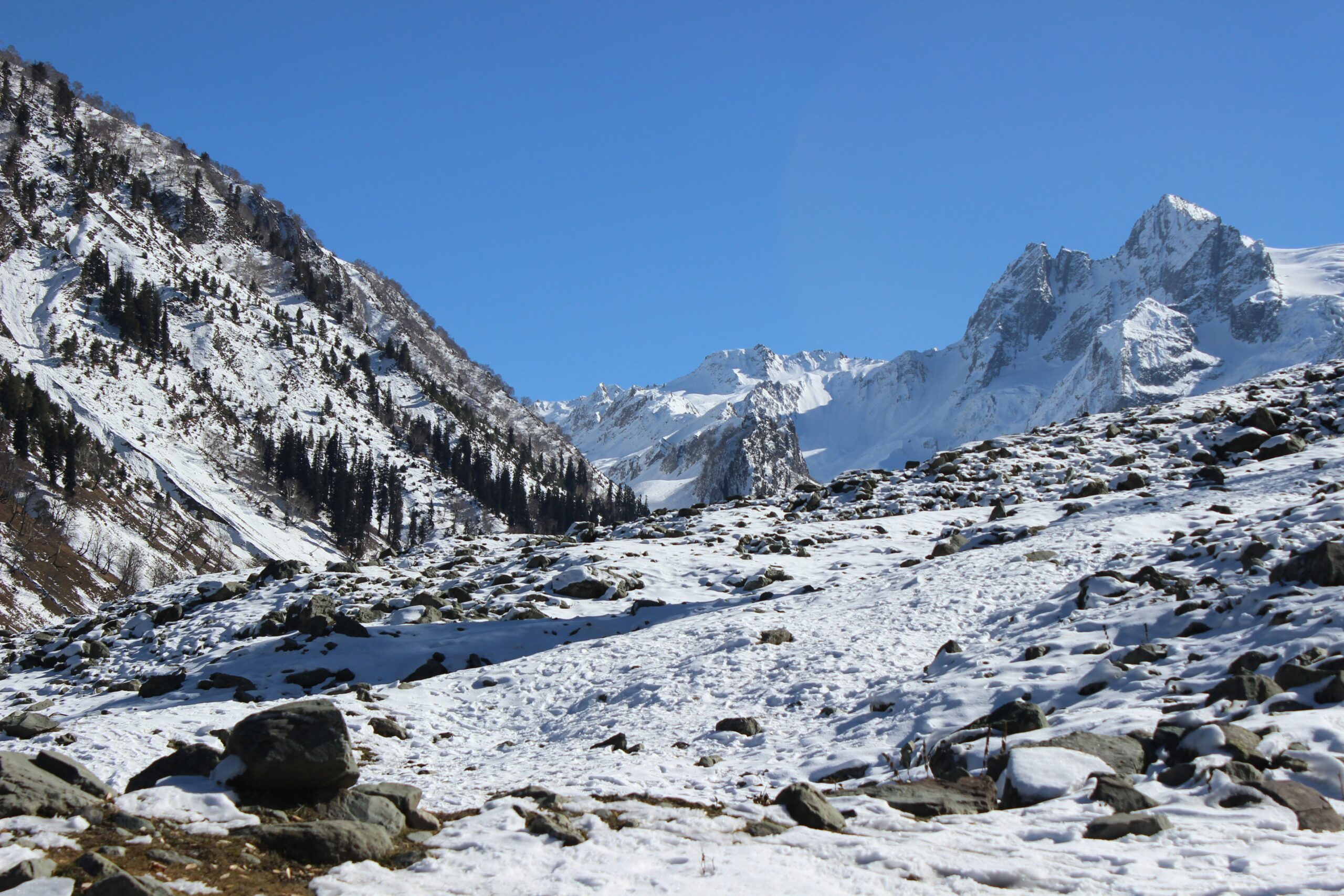
Sonamarg, meaning “Meadow of Gold,” is another stunning destination in Kashmir. Surrounded by towering glaciers and alpine meadows, it offers some of the most picturesque views in the region.
One of the main attractions here is the Thajiwas Glacier, which remains snow-covered for most of the year. Visitors can enjoy activities like sledding, trekking, and photography.
Sonamarg also serves as a gateway to the famous Ladakh region, making it an important stop for travelers heading towards high-altitude adventures.
Leh-Ladakh – A Land of High Passes
Although technically part of a separate administrative region, Leh is often included in Kashmir travel itineraries. Known for its stark landscapes, monasteries, and high mountain passes, Leh offers a completely different experience compared to the lush valleys of Kashmir.
Key attractions include Pangong Lake, famous for its changing colors, and Nubra Valley, known for its sand dunes and double-humped camels.
Leh is ideal for adventure seekers interested in biking, trekking, and exploring Buddhist culture.
Kupwara – The Hidden Gem
For those looking to explore offbeat destinations, Kupwara is a perfect choice. Known for its untouched beauty, Kupwara is often referred to as the crown of Kashmir.
Places like Lolab Valley and Bangus Valley offer pristine landscapes, dense forests, and an opportunity to experience nature in its purest form. It is less crowded, making it ideal for travelers seeking solitude.
Yusmarg – A Peaceful Escape
Yusmarg is a lesser-known destination that offers breathtaking views of meadows and snow-clad mountains. It is perfect for picnics, short treks, and relaxing amidst nature.
The calm environment and scenic beauty make Yusmarg an excellent alternative to more crowded tourist spots.
Dachigam National Park – A Wildlife Haven
Nature and wildlife enthusiasts should not miss Dachigam National Park. It is home to the endangered Hangul (Kashmir stag) and a variety of other wildlife species.
The park offers opportunities for trekking, birdwatching, and photography. Its diverse flora and fauna make it a significant ecological destination in the region.
Pulwama – The Rice Bowl of Kashmir
Pulwama is known for its scenic landscapes, saffron fields, and natural springs. Often referred to as the “Rice Bowl of Kashmir,” it offers a glimpse into the agricultural richness of the region.
Attractions include Aharbal Waterfall, often called the “Niagara Falls of Kashmir,” and the beautiful Tarsar and Marsar lakes, which are popular among trekkers.
Best Time to Visit Kashmir
Kashmir is a year-round destination, with each season offering a unique experience. Spring (March to May) brings blooming flowers and pleasant weather. Summer (June to August) is ideal for sightseeing and outdoor activities. Autumn (September to November) paints the region in shades of gold and red, while winter (December to February) transforms it into a snowy paradise perfect for winter sports.
Cultural and Culinary Experiences
Apart from its natural beauty, Kashmir is rich in culture and traditions. Visitors can explore local handicrafts such as Pashmina shawls, carpets, and wooden carvings.
Kashmiri cuisine is another highlight, with dishes like Rogan Josh, Yakhni, and the traditional Wazwan feast offering a delightful culinary experience.
Conclusion
Kashmir is more than just a travel destination; it is an experience that captivates the soul. From the serene waters of Dal Lake to the adventurous slopes of Gulmarg and the tranquil valleys of Pahalgam, every corner of Kashmir has something unique to offer.
Whether you are planning a relaxing vacation or an adventurous journey, Kashmir promises unforgettable memories. Its unmatched beauty, warm hospitality, and diverse attractions make it a must-visit destination for travelers from around the world.
Whenever I think about hill stations in India, Shimla instantly comes to my mind. Nestled in the lap of the Himalayas, this charming destination has always felt like a perfect mix of colonial elegance, natural beauty, and lively culture. Over time, I’ve explored many corners of this beautiful hill town, and through my experiences, I’ve come to know the top places that truly define Shimla.
In this article, I’ll take you through the top 10 places to visit in Shimla—not just as a list, but as places I’ve personally understood, felt, and admired.
1. The Ridge – The Heartbeat of Shimla
Whenever I reach Shimla, my first instinct is to head straight to The Ridge. To me, this is the soul of the city. It’s a wide open space where the entire town seems to come alive. I’ve spent countless evenings here just soaking in the panoramic views of the mountains and watching the changing colors of the sky.
What makes this place special for me is its atmosphere—it’s lively yet peaceful. Surrounded by colonial buildings and offering stunning views of the Himalayas, The Ridge is truly iconic and central to Shimla’s identity.
2. Mall Road – Where Shimla Breathes
Just below The Ridge lies Mall Road, and honestly, I believe no visit to Shimla is complete without walking here. Every time I stroll along this bustling street, I feel connected to the local culture.
From cozy cafés to handicraft shops, Mall Road offers everything. I often stop for a cup of tea or simply enjoy people-watching. The energy here, especially in the evening, is something I always look forward to. It’s more than a street—it’s an experience.
3. Christ Church – A Symbol of Timeless Beauty
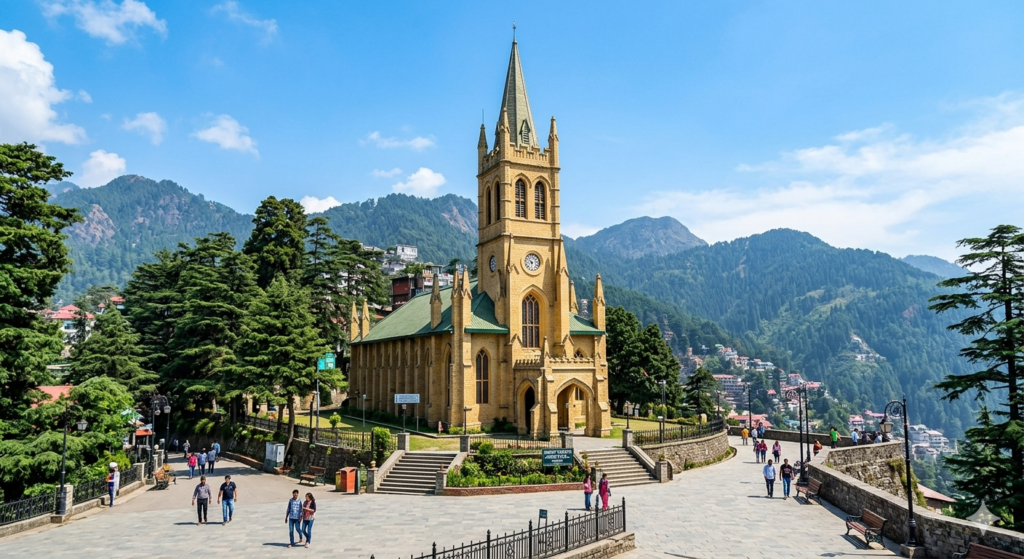
Standing tall near The Ridge, Christ Church is one of those places I always admire, no matter how many times I visit. Its neo-Gothic architecture and stained glass windows give it a timeless charm.
I like stepping inside for a moment of silence—it feels calm and reflective. Knowing that it is one of the oldest churches in North India adds to its historical significance and makes the visit even more meaningful.
4. Jakhoo Hill – A View from the Top
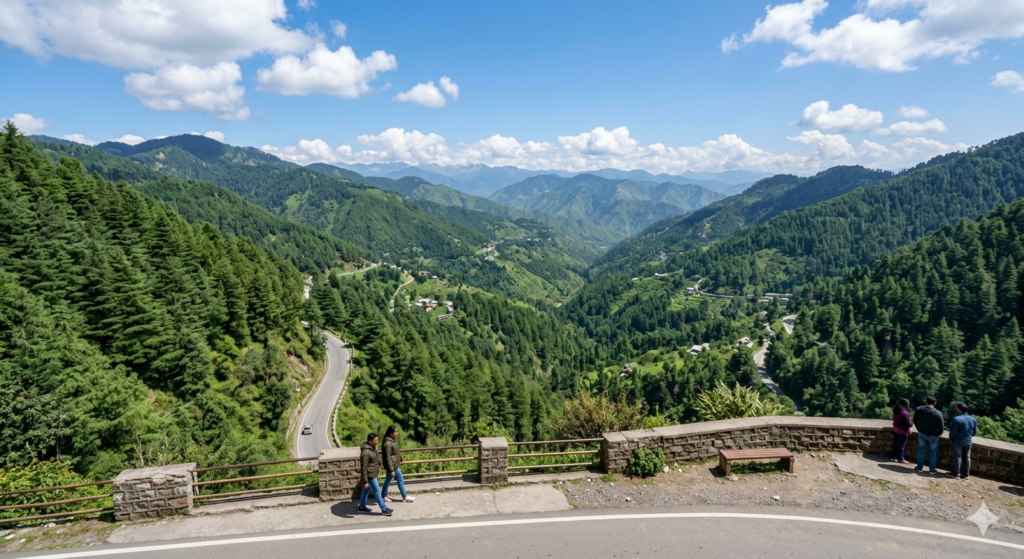
Whenever I want to see Shimla from above, I head to Jakhoo Hill. It’s the highest point in the city, and the views from here are simply breathtaking.
At the top, I visit the Jakhoo Temple, which houses a massive statue of Lord Hanuman. The climb can be a bit steep, but for me, the panoramic scenery and spiritual vibe make it completely worth it.
5. Kufri – Adventure and Snow
Whenever I feel like adding a bit of adventure to my trip, I head to Kufri. Located just a short drive from Shimla, this place has always been my go-to for outdoor fun.
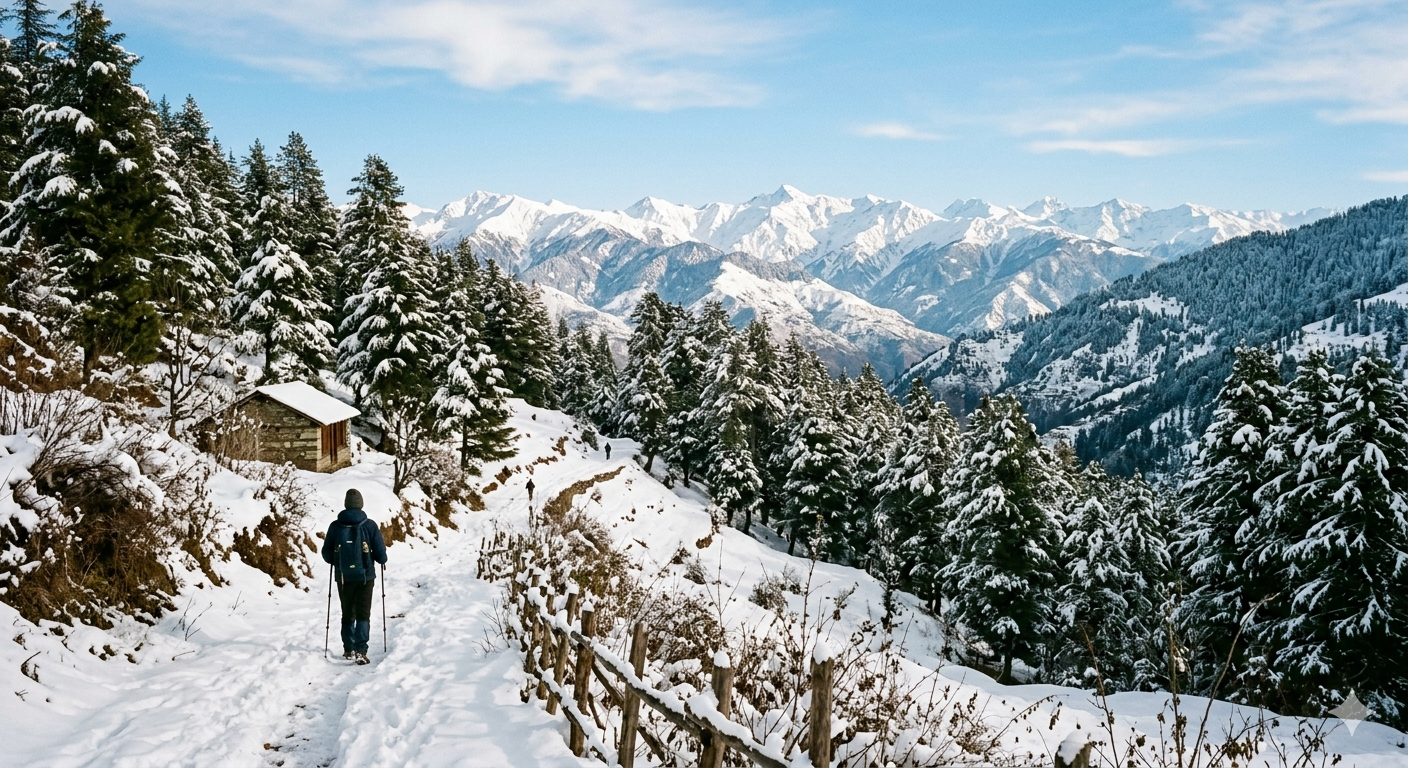
In winter, I’ve enjoyed the snow and skiing here, while in summer, the greenery and scenic trails are equally refreshing. Kufri is one of those places where I can switch from relaxation to adventure in no time.
6. Viceregal Lodge – A Walk Through History
Every time I visit the Viceregal Lodge, I feel like I’m stepping back into history. This grand building, surrounded by lush greenery, once served as the residence of the British Viceroy.
Today, it houses the Indian Institute of Advanced Study, and I love exploring its architecture and peaceful surroundings. The place reflects Shimla’s colonial past beautifully and gives me a deeper understanding of its heritage.
7. Green Valley – Nature at Its Best
Green Valley is one of those places where I simply pause and admire nature. Surrounded by dense forests and rolling hills, it offers a view that feels almost unreal.
Whenever I pass through this area, I make sure to stop for a few minutes. The fresh air, greenery, and quiet surroundings make it one of my favorite scenic spots in Shimla.
8. Tara Devi Temple – Peace and Spirituality
When I want a break from the busy parts of Shimla, I visit Tara Devi Temple. Located on a hilltop, this place offers both spiritual peace and beautiful views.
The journey to the temple itself feels refreshing, and once I reach the top, the calm atmosphere instantly relaxes me. It’s one of those places where I feel completely disconnected from the chaos of daily life.
9. Chadwick Falls – A Hidden Natural Gem
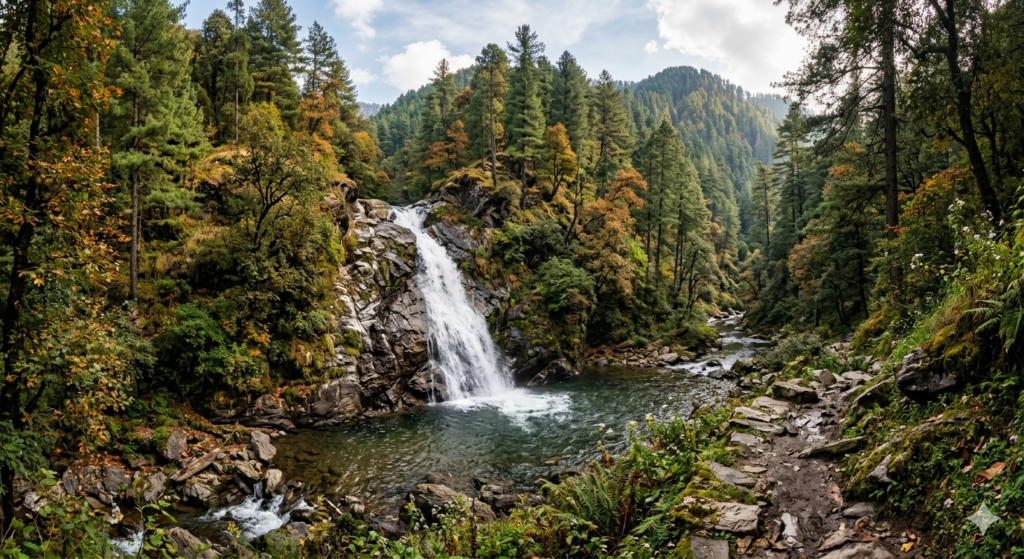
Chadwick Falls is one of the lesser-known places I’ve explored in Shimla, but it has left a lasting impression on me. Surrounded by dense forests, the waterfall cascades beautifully, especially during the monsoon.
Whenever I visit, I feel like I’ve discovered a secret corner of nature. It’s quiet, refreshing, and perfect for anyone who enjoys peaceful surroundings.
10. Summer Hill – Serenity in Simplicity
Summer Hill is where I go when I want to experience a quieter side of Shimla. Unlike the bustling Mall Road, this place feels calm and untouched.
I enjoy taking slow walks here, surrounded by greenery and colonial-era charm. It’s a reminder that Shimla isn’t just about popular tourist spots—it’s also about peaceful moments and simple beauty.
complete travel guide to Shimla.
My Final Thoughts on Shimla
From my experiences, Shimla is not just a destination—it’s a feeling. It combines history, nature, culture, and adventure in a way that very few places can. Whether I’m walking on Mall Road, enjoying the views from The Ridge, or finding peace at Tara Devi Temple, every moment here feels special.
What I’ve learned is that Shimla is best explored slowly. It’s not about rushing through places but about enjoying each view, each street, and each experience.
With its blend of colonial charm, scenic beauty, and vibrant local life, Shimla truly lives up to its title as the “Queen of Hills.”
If you’re planning a trip, these ten places are the ones I always recommend—not just because they’re famous, but because they capture the true essence of Shimla as I’ve come to know it.
Idli is not just a dish—it’s an emotion in Indian households. Soft, fluffy, and incredibly light on the stomach, idli has been a breakfast staple for generations. As someone who has spent years mastering traditional cooking techniques, I can confidently say that making perfect idlis is both an art and a science. While it may seem simple, achieving that cloud-like softness requires attention to detail, patience, and the right technique.
In this detailed guide, I’ll walk you through every step of making authentic, restaurant-quality idlis at home—from selecting ingredients to fermentation, grinding, and steaming. By the end of this article, you’ll not only know how to make idli but also understand why each step matters.
Understanding Idli: The Basics
Idli is a steamed savory cake made from a fermented batter of rice and urad dal (split black gram). Originating from South India, it is known for its nutritional value, easy digestibility, and minimal oil usage.
What makes idli special is fermentation. This natural process not only enhances flavor but also improves digestion and increases nutrient absorption.
Ingredients Required
To make traditional idli, you need just a few ingredients:
2 cups idli rice (or parboiled rice)
1 cup urad dal (skinned black gram)
1 teaspoon fenugreek seeds (methi)
Salt to taste
Water as needed
That’s it. No baking soda, no yeast—just natural fermentation.
Choosing the Right Ingredients
The quality of your idli depends heavily on your ingredients.
Rice
Use idli rice or parboiled rice. Regular basmati or raw rice won’t give the same texture. Idli rice has the right starch content that helps in fermentation and softness.
Urad Dal
Always use fresh, good-quality urad dal. Old dal doesn’t ferment well and results in dense idlis.
Fenugreek Seeds
These tiny seeds play a big role. They enhance fermentation and add a subtle flavor. They also help in giving idlis a soft texture.
Step 1: Washing and Soaking
Start by washing rice and urad dal separately.
Wash rice 3–4 times until water runs clear.
Wash urad dal thoroughly.
Add fenugreek seeds to the urad dal.
Soaking Time
Rice: 4–6 hours
Urad dal: 4 hours
Soaking softens the grains and makes grinding easier. Never skip this step.
Step 2: Grinding the Batter
Grinding is one of the most crucial steps.
Traditional Method (Stone Grinder)
If you have access to a wet grinder, use it. It produces the best texture.
Modern Method (Mixer Grinder)
A mixer works fine, but you need to be careful not to overheat the batter.
Grinding Urad Dal
Drain water from soaked dal.
Grind with minimal water.
Aim for a smooth, fluffy batter.
This batter should be light and airy. When you take some in your hand, it should feel soft and slightly frothy.
Grinding Rice
Grind rice separately.
Keep it slightly coarse—not too smooth.
The slight graininess helps in structure and texture.
Mixing the Batter
Combine both batters in a large bowl.
Add salt (optional before fermentation; some prefer adding later)
Mix thoroughly using your hand
Why use your hand? The natural bacteria from your skin help kickstart fermentation.
Step 3: Fermentation – The Heart of Idli
Fermentation is where the magic happens.
Ideal Conditions
Temperature: 25–32°C
Time: 8–12 hours
In warm climates, fermentation happens faster. In colder regions, you may need extra time.
Signs of Perfect Fermentation
Batter doubles in volume
Slight sour aroma
Light and airy texture
Do not over-ferment, as it can make idlis sour and flat.
Pro Tip for Cold Weather
If you live in a cold area:
Keep batter in an oven with light on
Wrap the container in a cloth
Place near a warm spot
Step 4: Preparing for Steaming
Before steaming:
Grease idli molds with oil
Gently mix the batter (do not overmix)
Pour batter into molds
Fill each mold about 80%, allowing room for expansion.
Step 5: Steaming the Idlis
Use an idli steamer or pressure cooker (without whistle).
Steps:
Add water to the steamer
Bring water to a boil
Place idli stand inside
Steam for 10–12 minutes
How to Check If Idli is Done
Insert a toothpick or knife:
If it comes out clean, idli is ready
Avoid overcooking—it makes idlis dry.
Step 6: Removing Idlis
Let idlis cool for 2–3 minutes before removing.
Use a spoon dipped in water to scoop them out easily.
Serving Suggestions
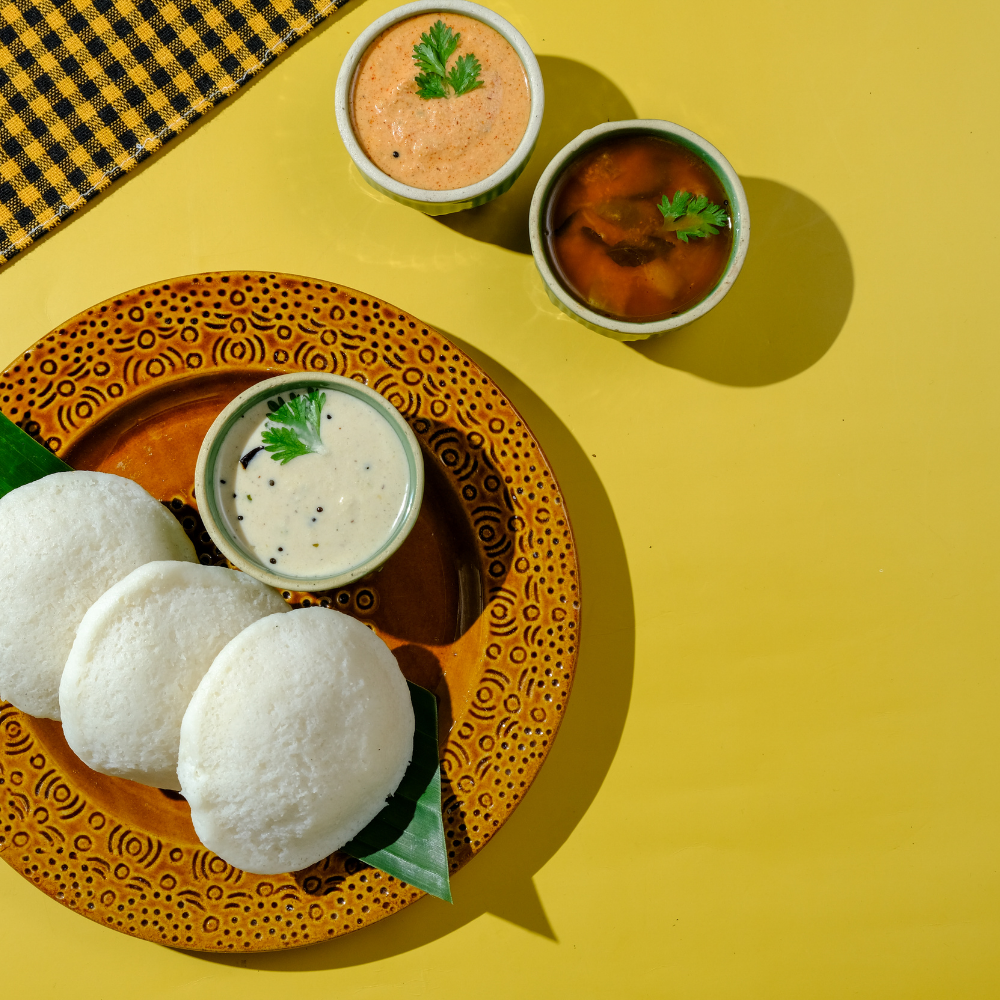
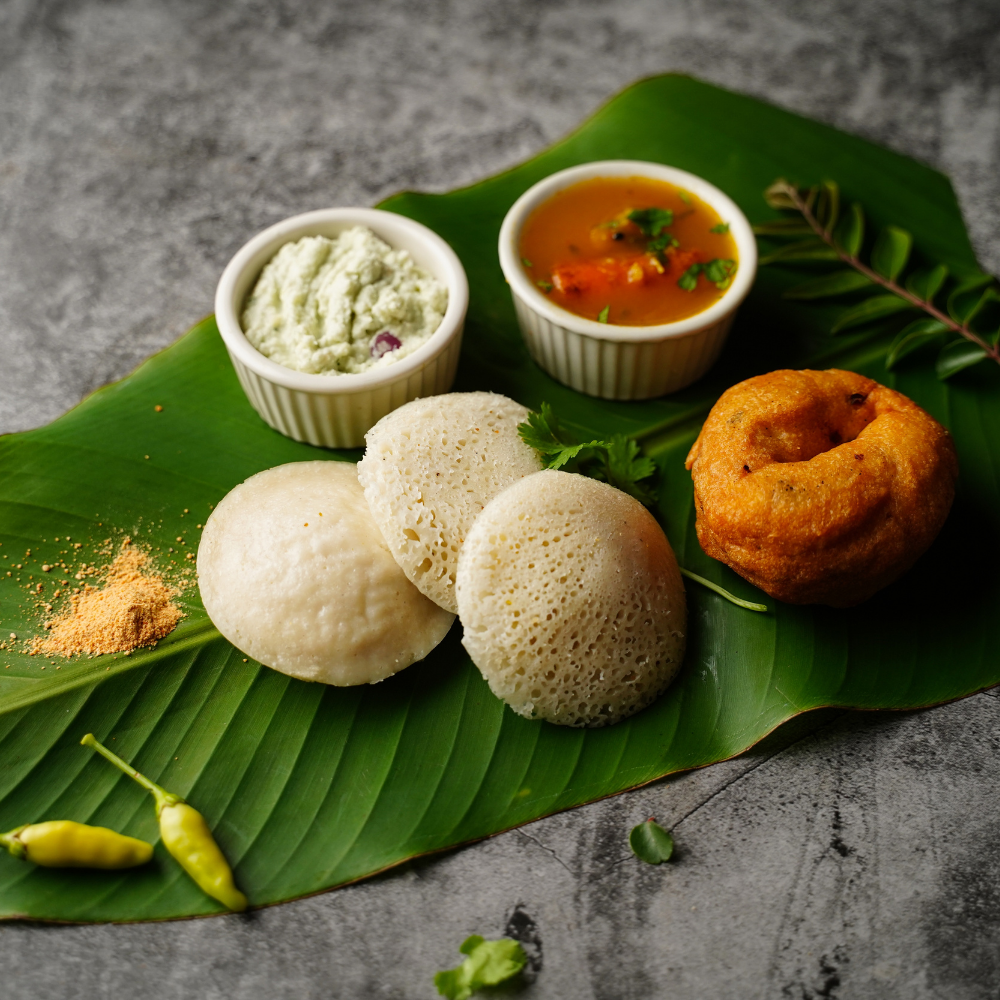
Idli is best served hot with:
Coconut chutney
Sambar
Tomato chutney
Gunpowder (podi) with ghee
Common Mistakes and How to Avoid Them
1. Hard Idlis
Cause: Poor fermentation or thick batter Solution: Ensure proper fermentation and correct batter consistency
2. Flat Idlis
Cause: Over-fermented batter Solution: Reduce fermentation time
3. Sticky Idlis
Cause: Too much water in batter Solution: Maintain thick, pourable consistency
4. Yellowish Idlis
Cause: Old urad dal Solution: Always use fresh dal
Expert Tips for Perfect Idlis
Use cold water while grinding to avoid overheating
Always grind urad dal first, then rice
Batter should be thick but pourable
Do not disturb batter too much after fermentation
Steam on medium heat—not high flame
Variations You Can Try
Once you master basic idli, experiment with variations:
Rava Idli
Made with semolina instead of rice—nofermentation required.
Vegetable Idli
Add grated carrots, beans, or peas to batter.
Kanchipuram Idli
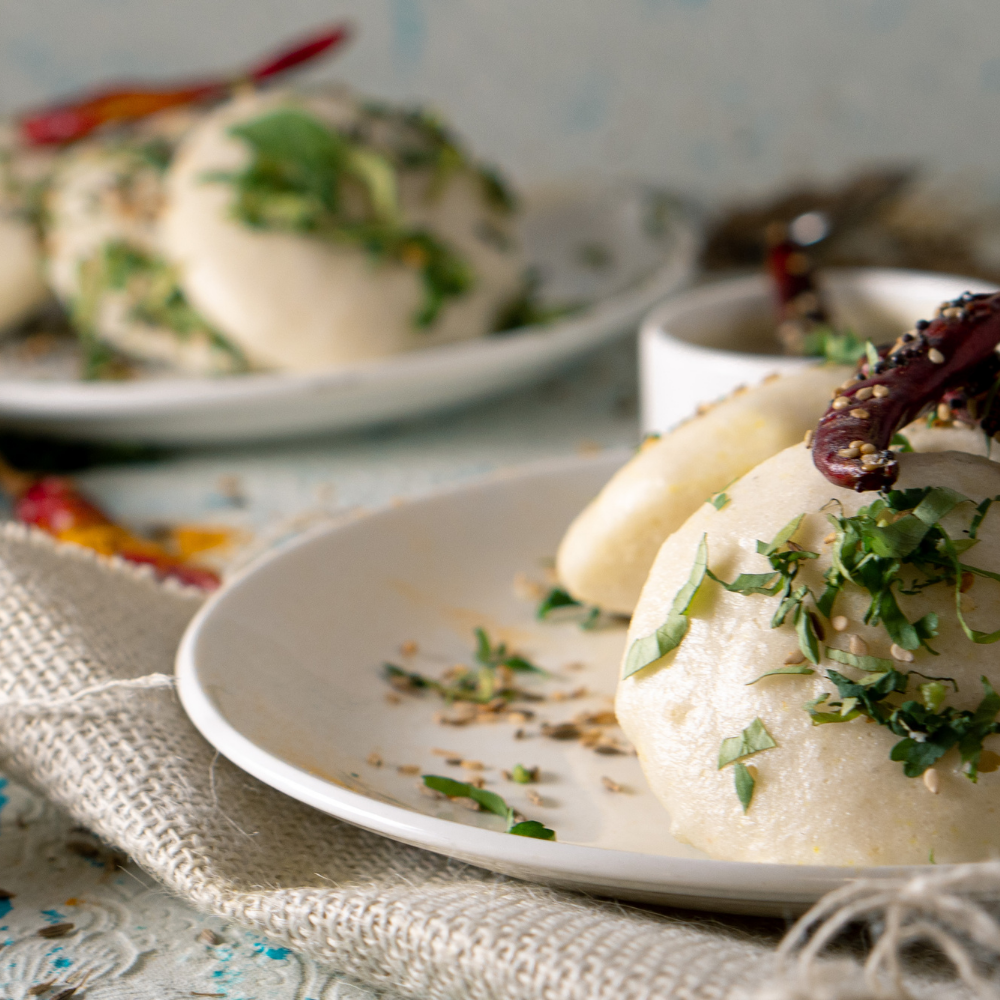
Spiced version with pepper, cumin, and curry leaves.
Millet Idli
Healthier alternative using millets instead of rice.
Nutritional Benefits of Idli
Idli is one of the healthiest breakfast options:
Low in calories
Rich in protein
Easily digestible
Fermented (good for gut health)
Gluten-free
Perfect for all age groups—from kids to elderly.
Why Idli is Perfect for Daily Diet
In my professional experience, idli stands out because it is:
Light yet filling
Oil-free
Quick to digest
Suitable for weight management
It provides sustained energy without heaviness.
Final Thoughts
Making perfect idli is not difficult—it just requires understanding the process. Once you get the basics right, it becomes second nature.
As a chef, I always say: Respect the fermentation. That’s the soul of idli. Everything else is just technique.
The beauty of idli lies in its simplicity. With just rice, dal, and patience, you can create something incredibly nourishing and delicious.
So the next time you prepare idli, don’t rush. Enjoy the process—from soaking to steaming. Because great food is not just about taste—it’s about the care you put into it.